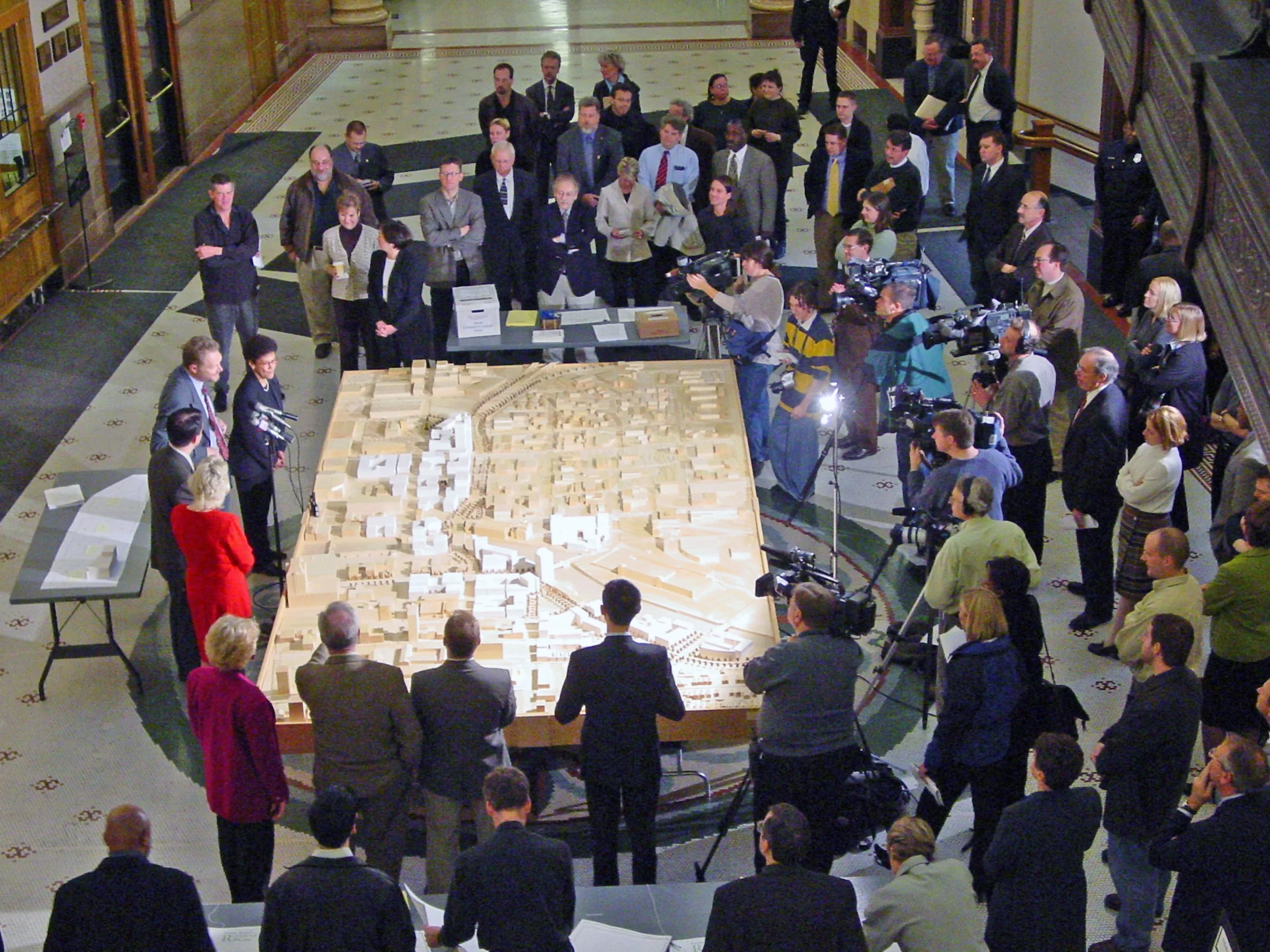
This large scale model of Milwaukee’s Park East Redevelopment Plan incorporated movable “white pieces” for new buildings on each lot to make the concepts easy for public discussion and revision.
By the middle of the 20th century urban planning theory had embraced social science as its primary intellectual foundation. In most cases, social science overlooked the fact that real physical places were fundamental to the success of cities socially and economically, not just the success of infrastructure and civil engineering. At the time, most planners did not yet appreciate how the physical form of the city set the literal framework for social and economic opportunities that make urban life.
Physical form increases or decreases the probability of good opportunities. More importantly (in today’s American cities) the probability of good opportunities increases with density – the more people accommodated by the urban form, the more opportunities will evolve. Urban form organizes essential density and the city’s capacity for multiple opportunities. For too long planners have allowed the general public to confuse density with overcrowding rather than associate density with life-giving opportunity.
Explain Open Space & Density
Without doubt the least desirable form of public place, with no opportunities, is unoccupied land that has no significant social or environmental value – the proverbial “open space”. Unused open space is radically different than high value public places for spontaneous and programmed activities. Unused, low value, debilitating open space occurs throughout American cities. A front yard is not unused open space, but the empty setback in front of an institutional or commercial structure is wasteful and not meaningful. Most planners know it when we see it.
The general public incorrectly views “density” as an attack on property values and wealth and so they advocate “open space” as a trope to avoid urban form and opportunity. Even city planners and urban designers avoid trigger words, like “density” and they advocate “open space”, or “green space” when engaging the public. Instead they should use “public place”. Sidewalks, yards, rivers, ball fields, parking lots, stormwater ponds, cemeteries, and truck stops are all “open”, but only some make good public places.
In cities, higher density makes better places. Lack of density creates deserted places. These realities are difficult to communicate but must be discussed. “Undercrowding” breeds social isolation that can be far more harmful than occasional overcrowding. The pandemic of the early 2020s did not worsen because of high density but because of unnecessary socialization – a condition that occurs as often in low-density suburbs as it does in central cities. Unhealthy socialization is not a function of density, but social regimens. Most public audiences understand these points when city planners take the time to explain the issues.
Work Fairly With The Community
When citizens say they want more open space they often lack the jargon that defines the public places they want . Sometimes, especially in suburbs, the community legitimately favors the absence of urban life. This attitude must be respected in rural areas but it should not substitute for meaningful urban public places based on history, culture, character and purpose. Valid public places do not incude a new lawn growing on an abandoned surface lot in a defunct shopping center — even in a suburb. True public places require valid cultural content. If a museum exhibited open space concepts, we would just see empty picture frames on the wall. The notion of the city as a “museum” should have valuable cultural public places, not empty picture frames.
Some empty places are necessary as a community grows and changes form. Even some unintentional open places become useful for local residents for neighborhood activities. However, wasteful open space is due usually to poor long-term planning and the creation of an unappealing places. City planners should avoid the occurrence of unused forms that do not add good opportunities. Planners could, for example, consider a “land waste” tax or prohibit a low floor-area-ratio (FAR). In the same way that some cities establish “maximum” parking allowances they could also establish “maximums” for unused, dormant open space in cities.
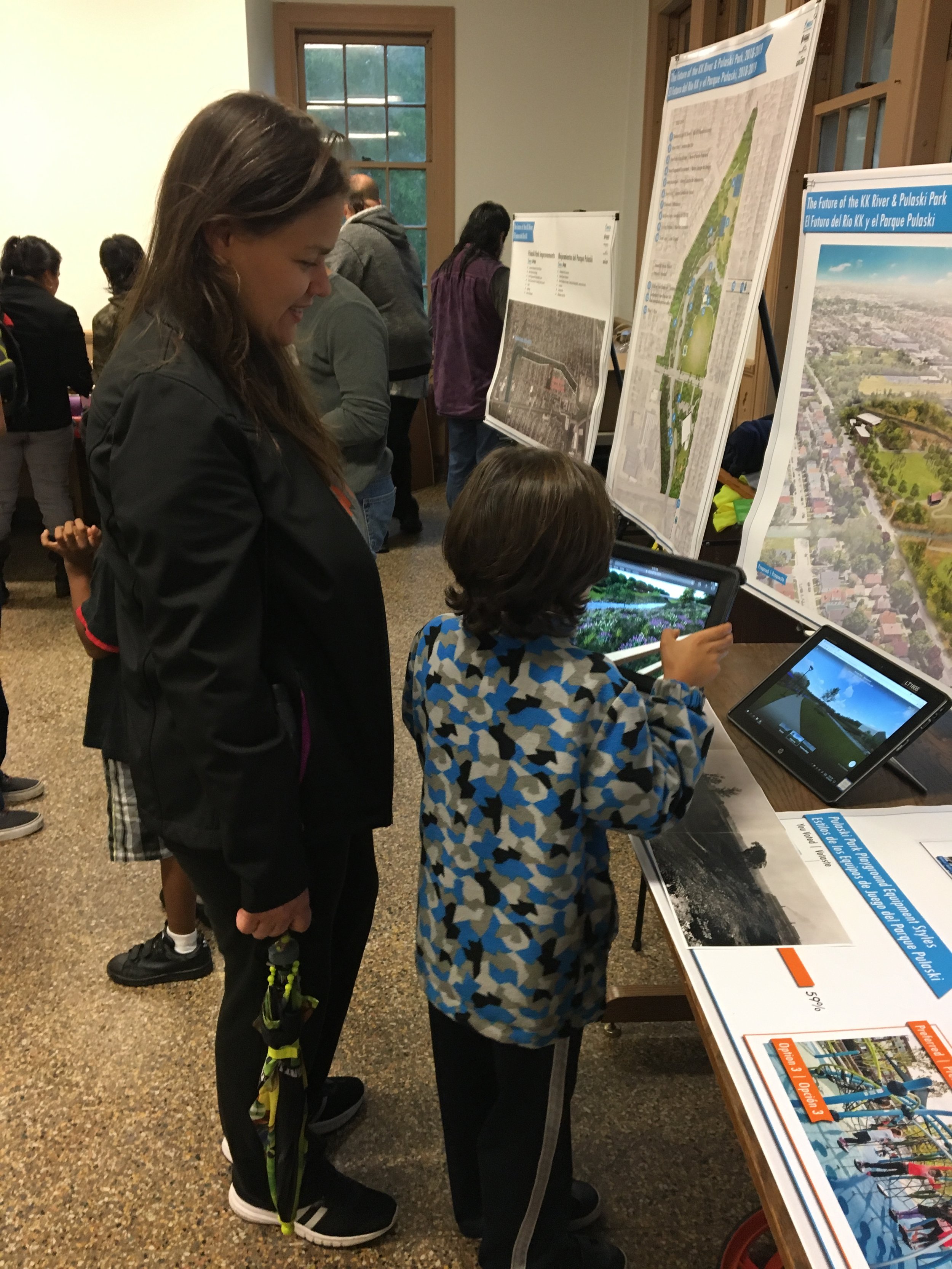
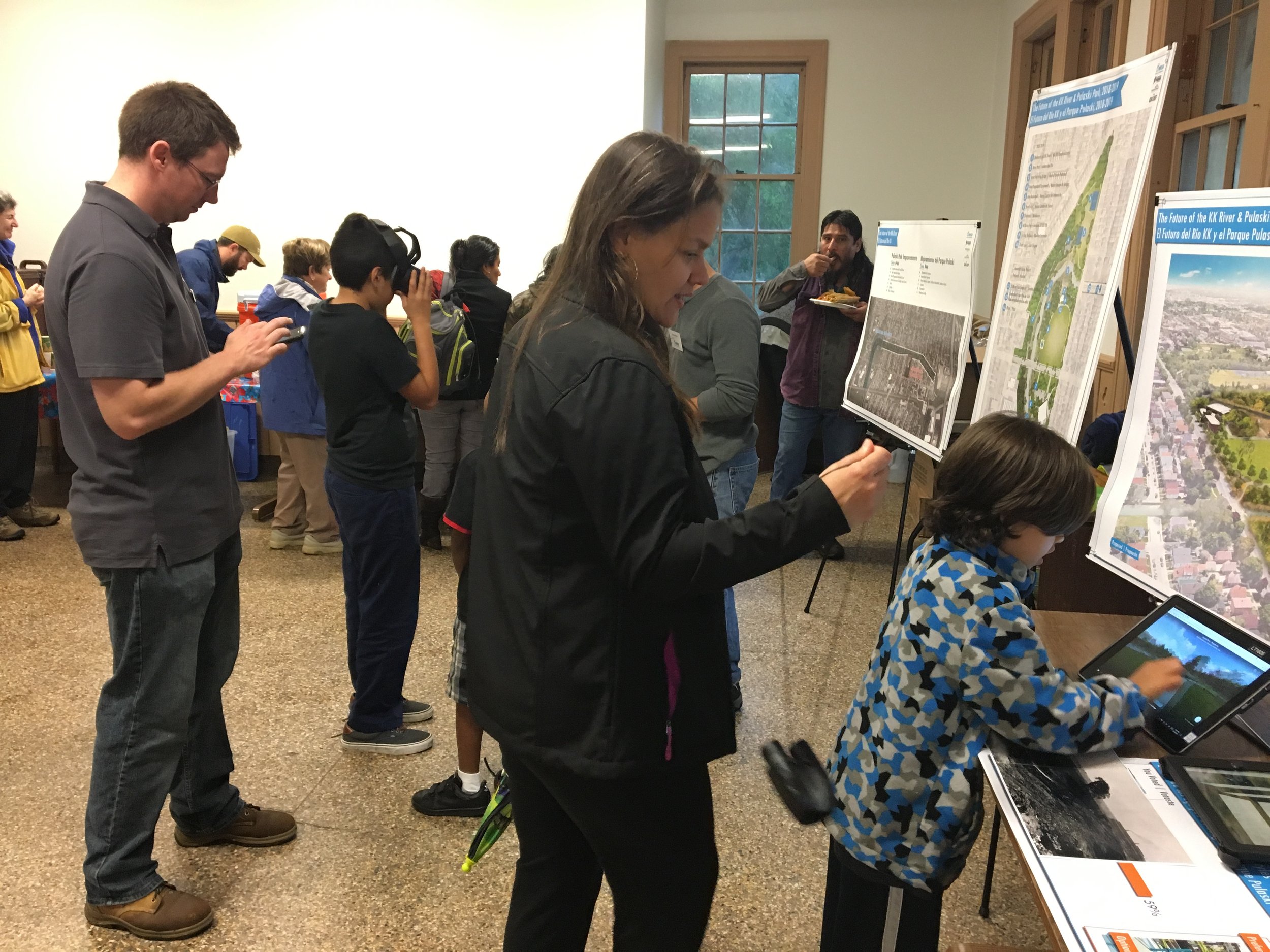
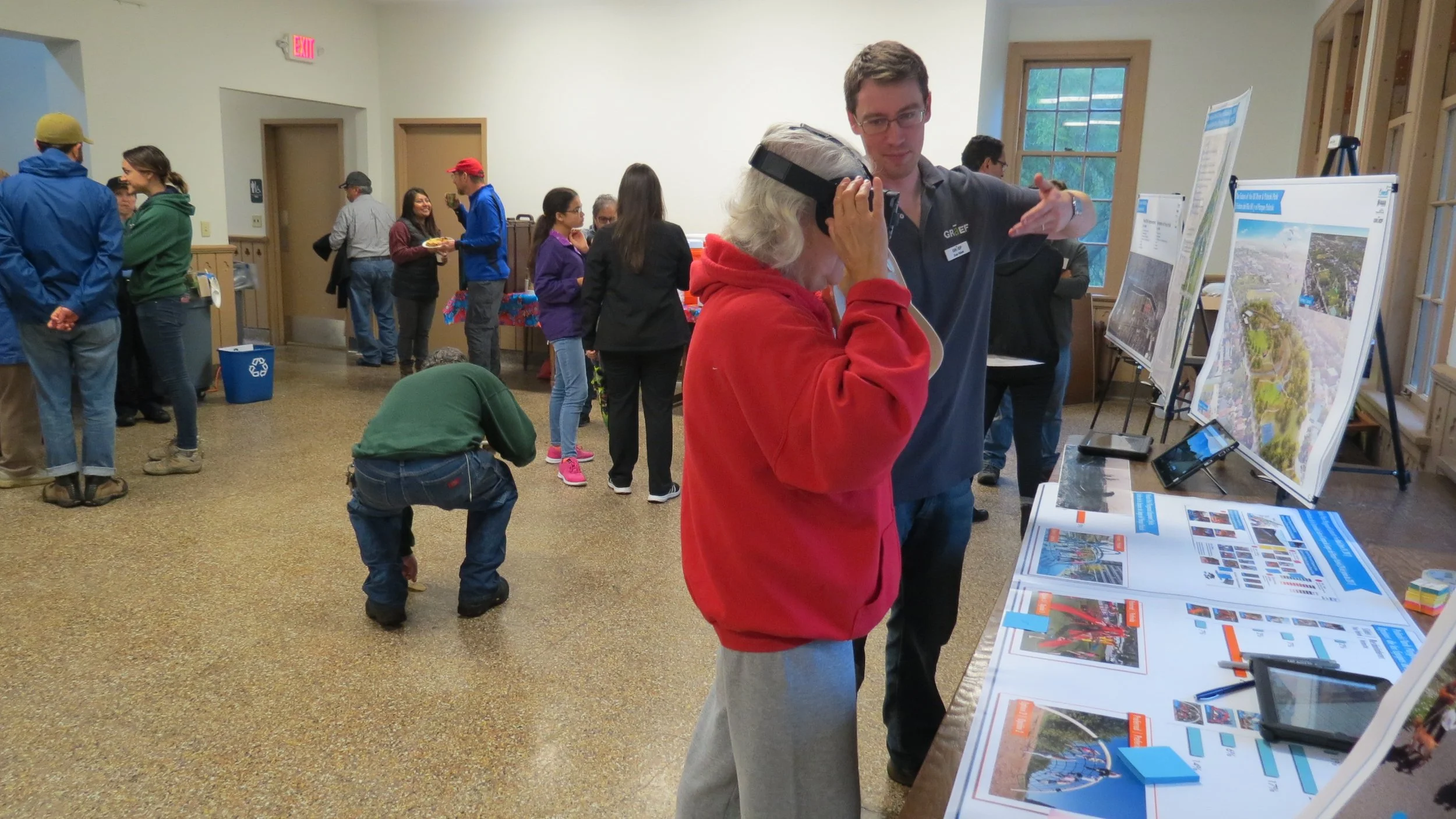
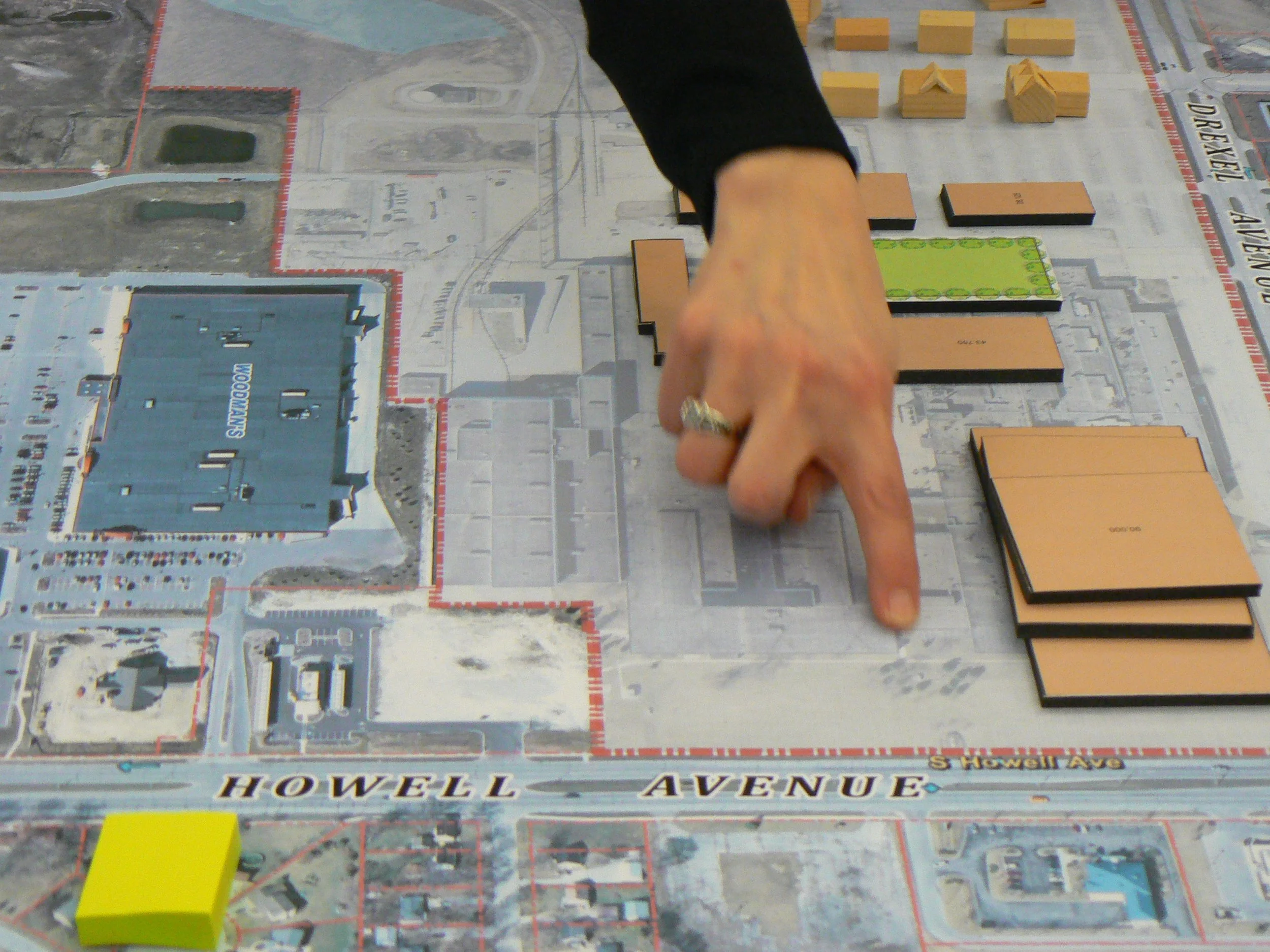
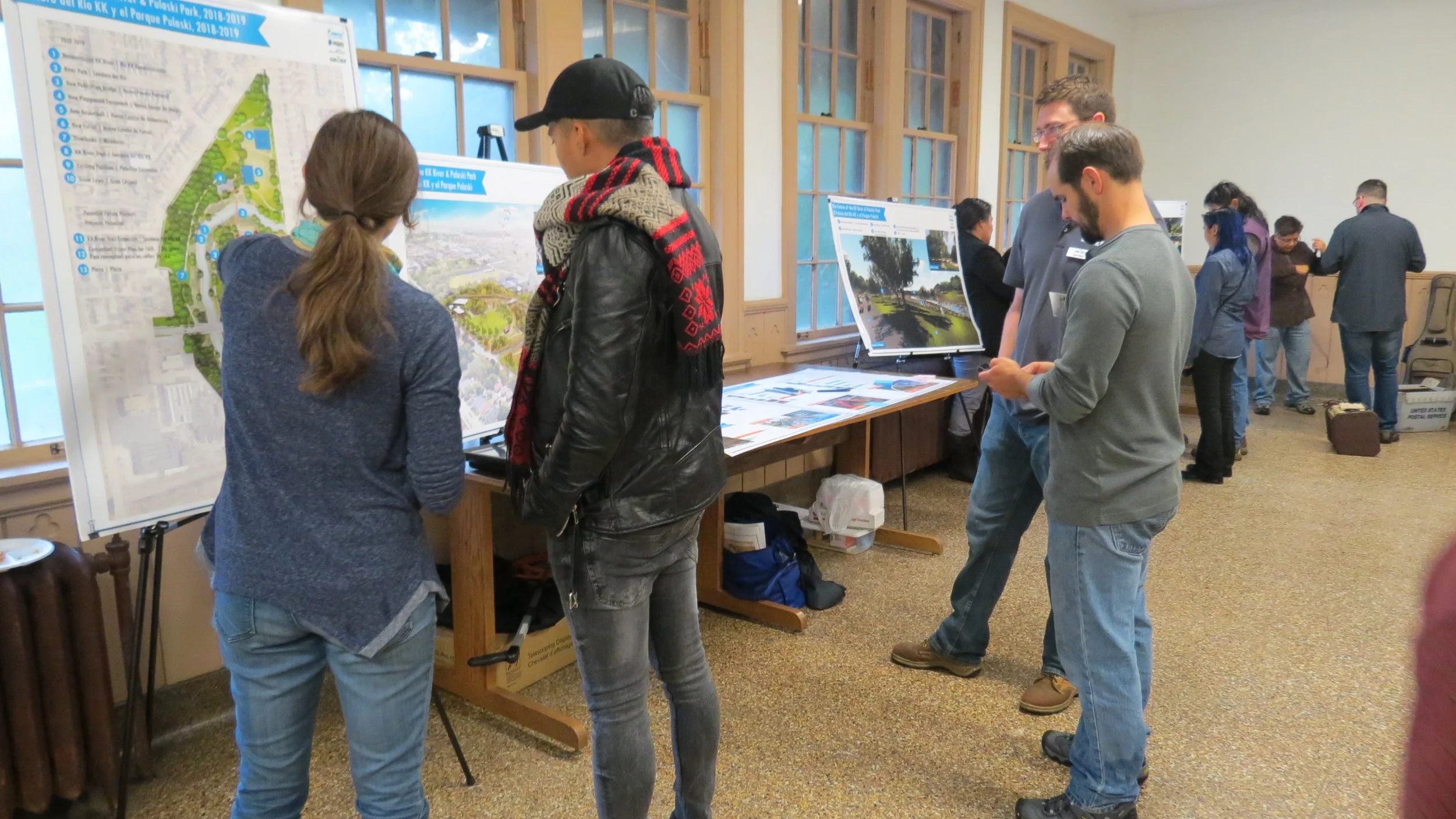
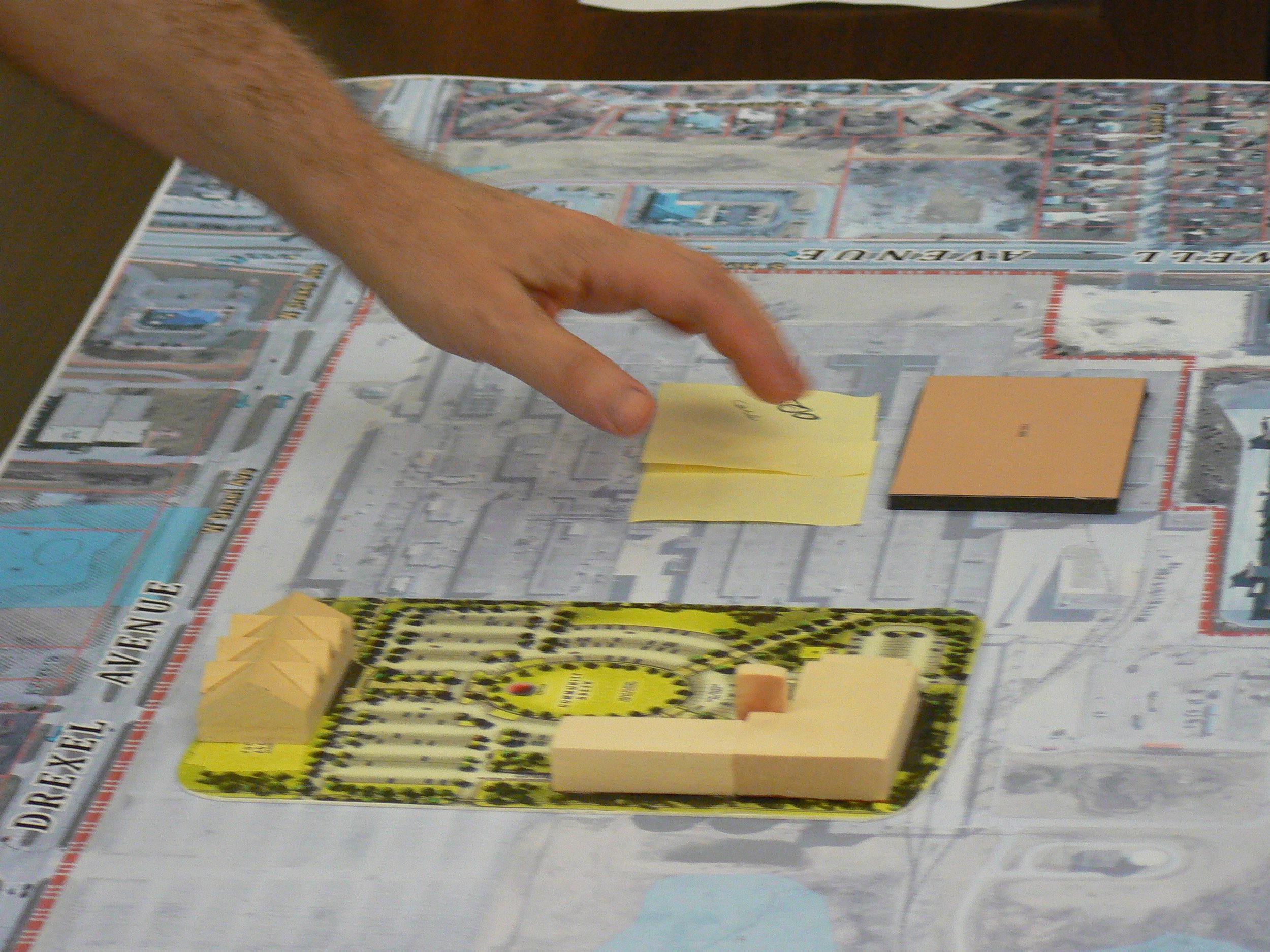
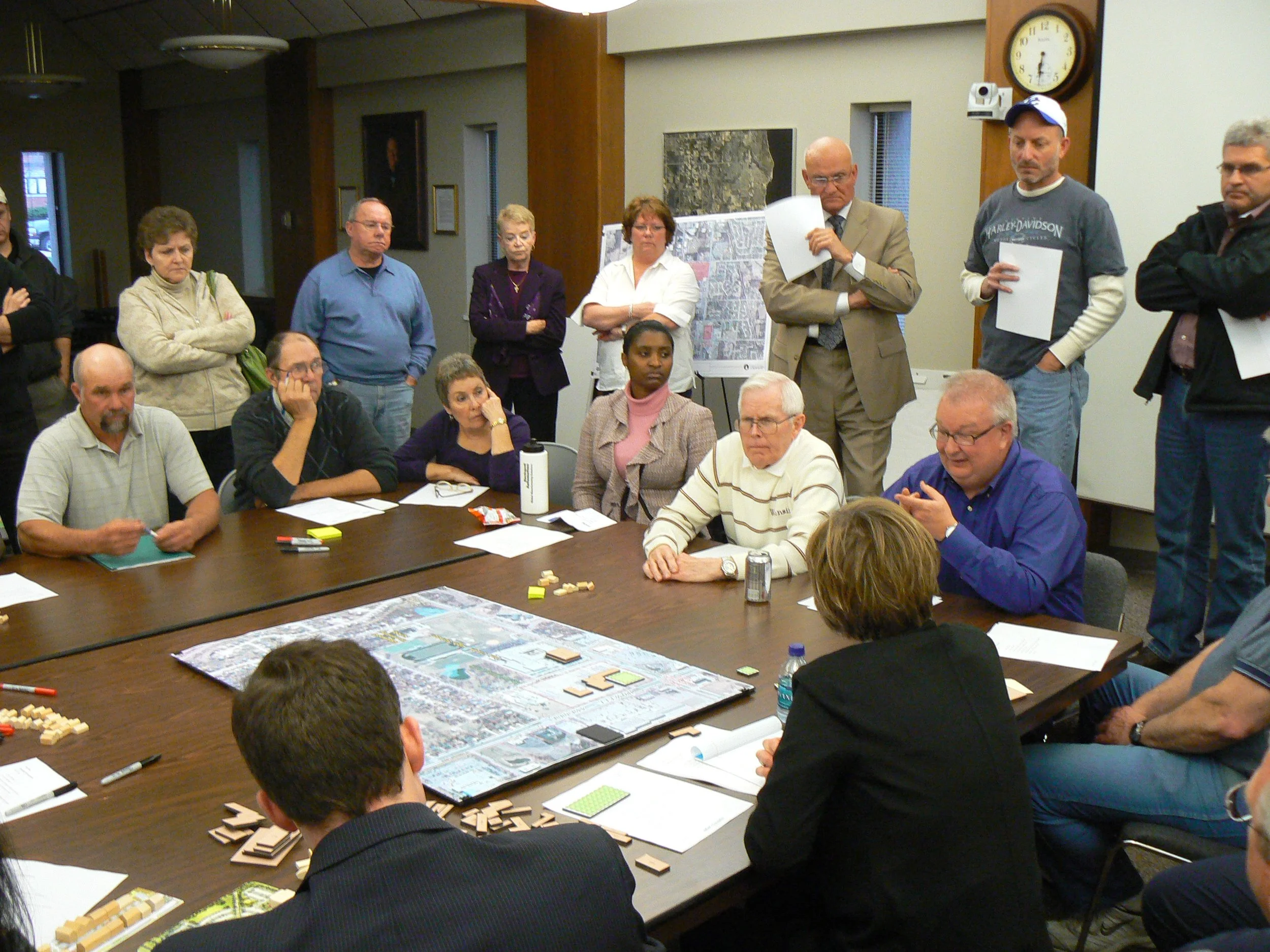
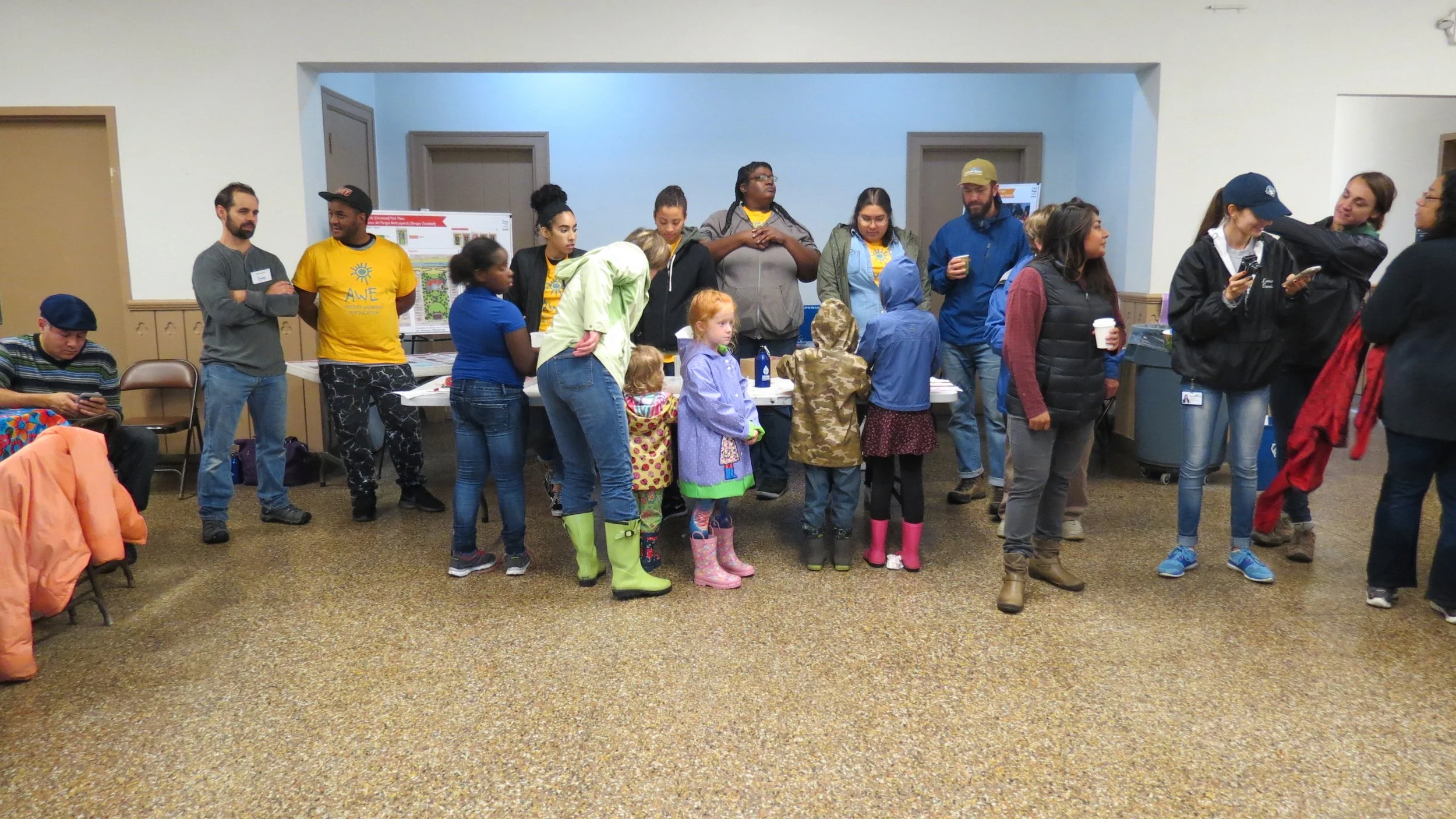
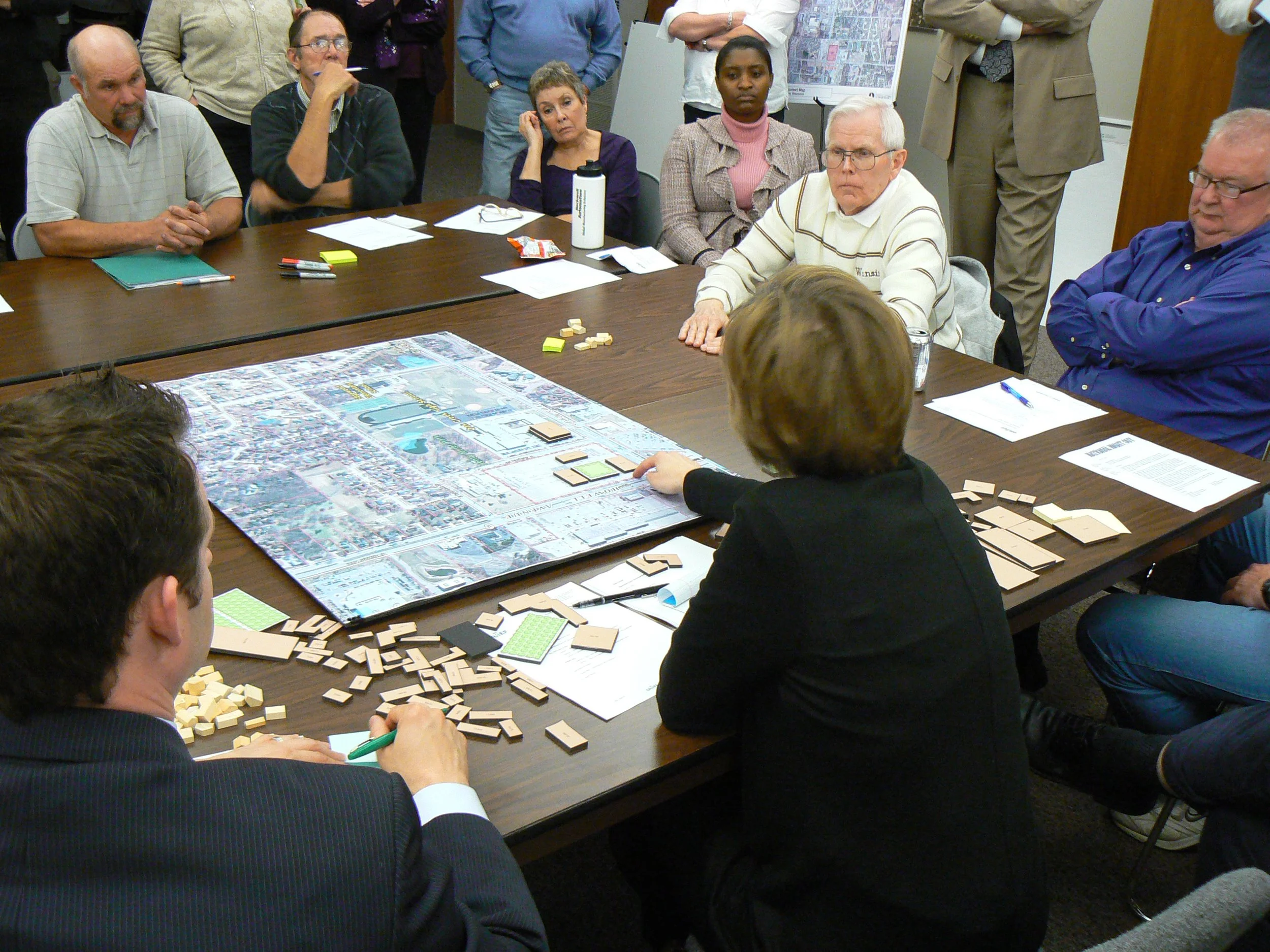
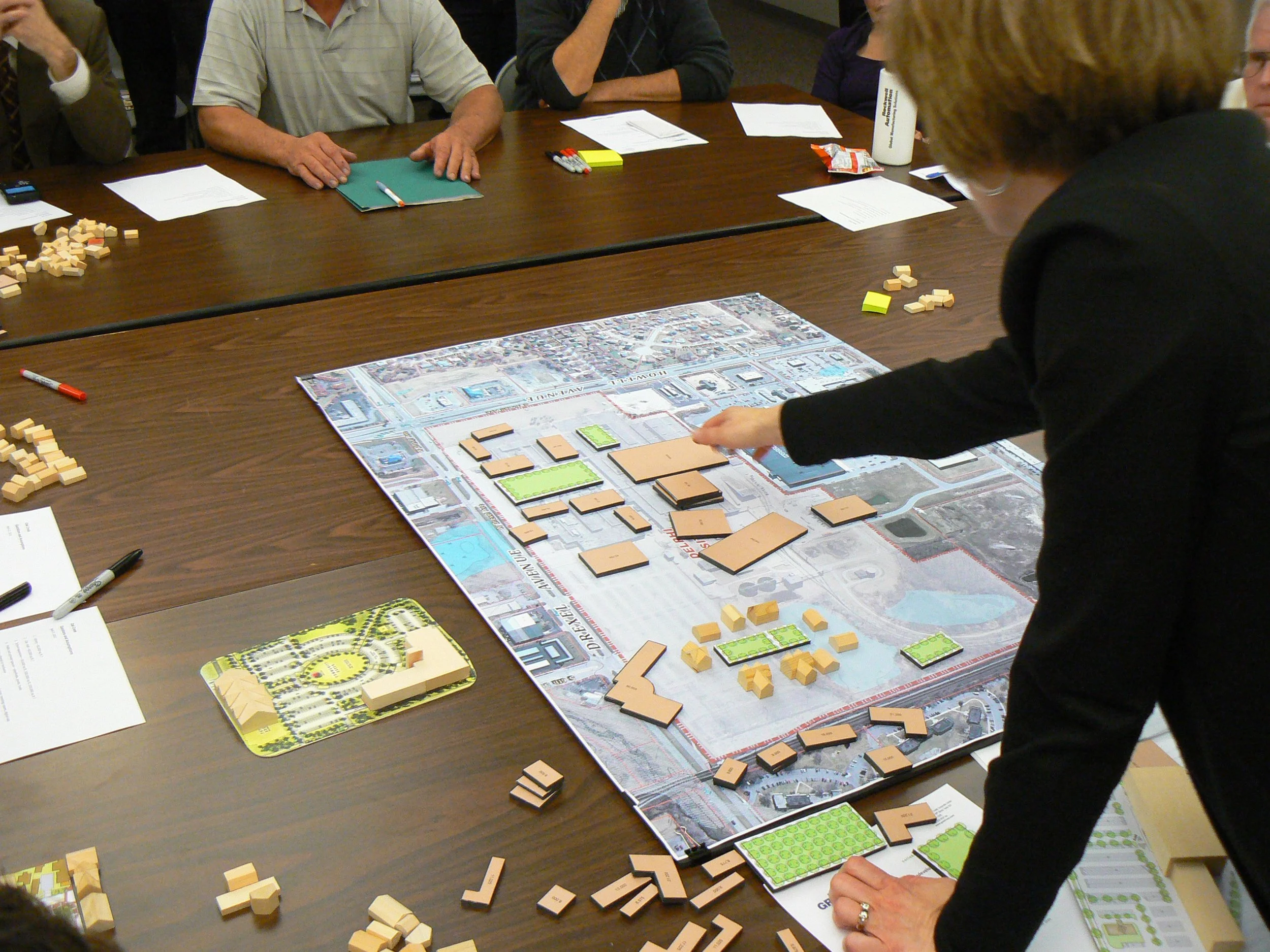
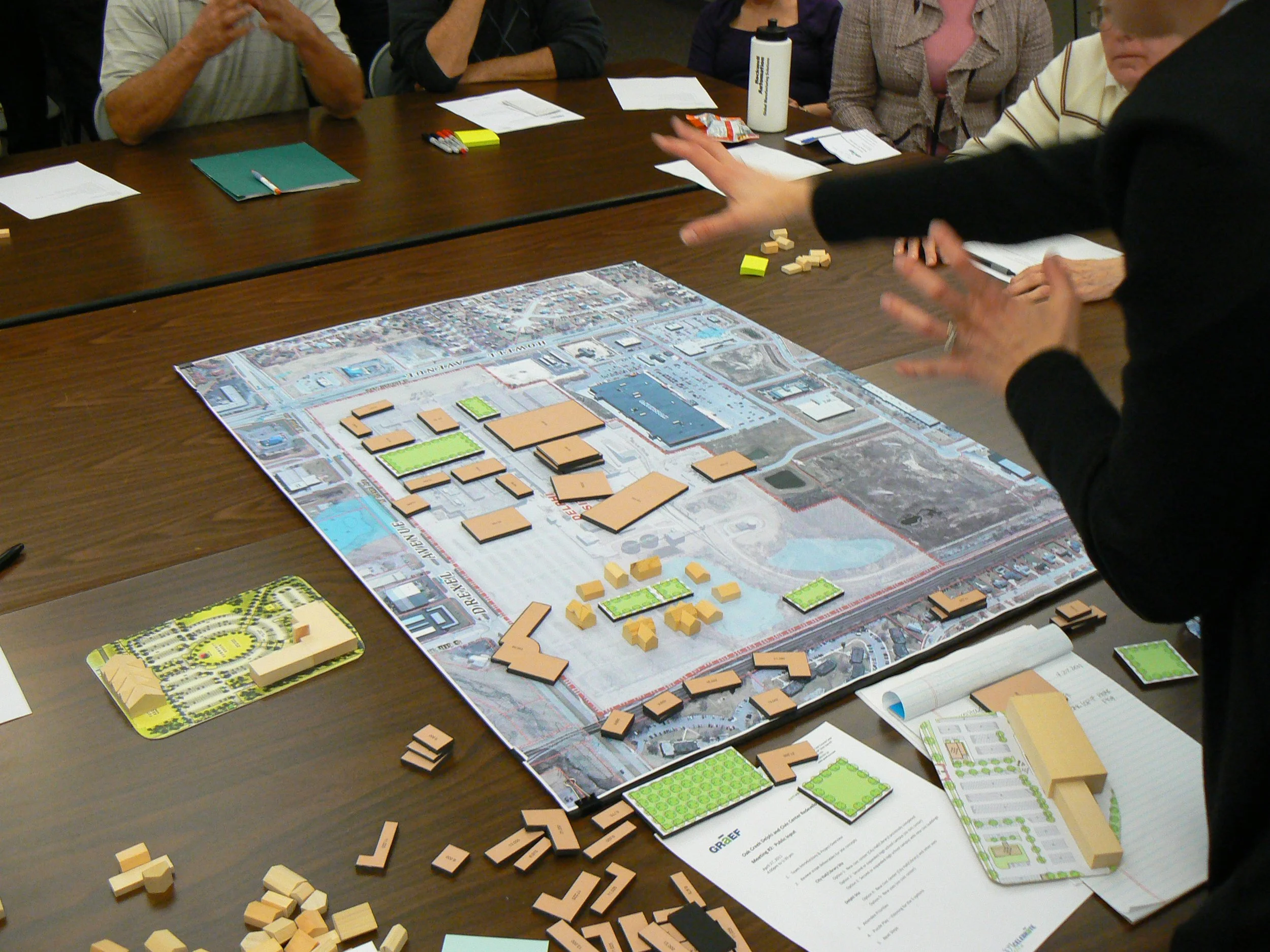
Typical scenes from public engagement in Milwaukee over the past 50 years.
Making good places also requires public engagement. Not all opportunities for filling the solids and voids in a figure-ground plan are of equal value to a community. For decades professional urban planning has preached, correctly, that community engagement is necessary and critical. Community engagement can, however, mislead or harm places: an in-person or on-line survey can be invalid or unreliable; audience comments may not be truthful, useful, or morally correct.
There is an old parable of blind prophets trying to explain the nature of an elephant – each touches a different part of the animal, reaching different conclusions. None of the “elephant” investigators has the humility to imagine another explanation outside their own intellect. Planners must examine communities with the humility that they can understand only some of the local community character. In all cases the validity and reliability of planners’ observations is circumspect, subject to unknowns buried in local language and the details of social history.
Value Judgement Over Precesion
Planners must routinely synthesize diverse bits of knowledge from multiple data sets, face-to-face discussions , historic research and their own observations in each community. Part of community engagement seems like the much older practices of flaneurs – individuals who would stroll through cities informally and record daily life. For most planners this is not an unusual task and often becomes a professional habit. While these methods can help implement good places, they are insufficient unless they are understood in the context of broader historical and cultural forces.
Urban planners are supposed to address social ills. What about urban designers? Maybe social problems are not presumed to be the responsibility of urban designers because the form of places is presumed independent of their social content. However, from the viewpoint of a practicing planner, the form and content of good places are inseparable – not even as distinct as two sides of one coin. The form and content of good places goes hand in glove. If the utopia of modernism ruined our cities, and the City Beautiful offered some hope, we still should make sure that the ideology of Collage City does not harm cities out of neglect of their social content.
When considering the impact of urban planning decisions, we cannot forecast the moral decisions of the urban populations, but we can structure the opportunities and occasions for good versus bad behavior. In fact, almost all of our zoning and land division codes are aimed at prohibiting behaviors which we think of as “bad” in terms of property “rights”: we want to avoid trespassing, destruction of someone else’s property, harming our economic value, etc. If such regulations are appropriate for property rights, are they equally appropriate for other rights and broader views of social and economic justice? And if so, how might we include them in our planning practice?
To make good cities and public places, based on urban form and opportunity, what should planners do? In 1994 Rowe published the “Architecture of Good Intentions” where he further explained that modernism had good intentions but also produced harms which continue to this day. In his postscript, however, Rowe states:
“For, in spite of its decidedly critical tone, this book embraces a high regard for the architecture of good intentions, and I would hope that, painfully evident, is my own dismay about its present condition. Absurd and ridiculous though the sentiments of the good intentioned may have been, at least they talked about the condition of humanity, whereas it has now become a talk about linguistics and miscellaneous intellectual bric-a-brac, and instead of drawings for the purpose of building, mostly we are immersed in an affair of drawings for the purpose of critical réclame.
Or, as Karl Marx said in his Eighteenth Brumaire of Louis Bonaparte ‘Great ideas come around twice, fist as tragedy, second as parody.’
The Urban Design Legacy of Colin Rowe addresses some answers to this issue with essays on praxis and related action-oriented concepts. Newer generations of designers and planners have tried to achieve good intentions such as the work induced by the Congress for the New Urbanism and Alexander’s Pattern Language. Other teams, firms, schools and theories have arisen that advocate ideas that help instead of harming cities. There are many clues in The Urban Design Legacy of Colin Rowe. The examples offered are not comprehensive (nor should they be). There is clearly much room for improving both theory and practice.
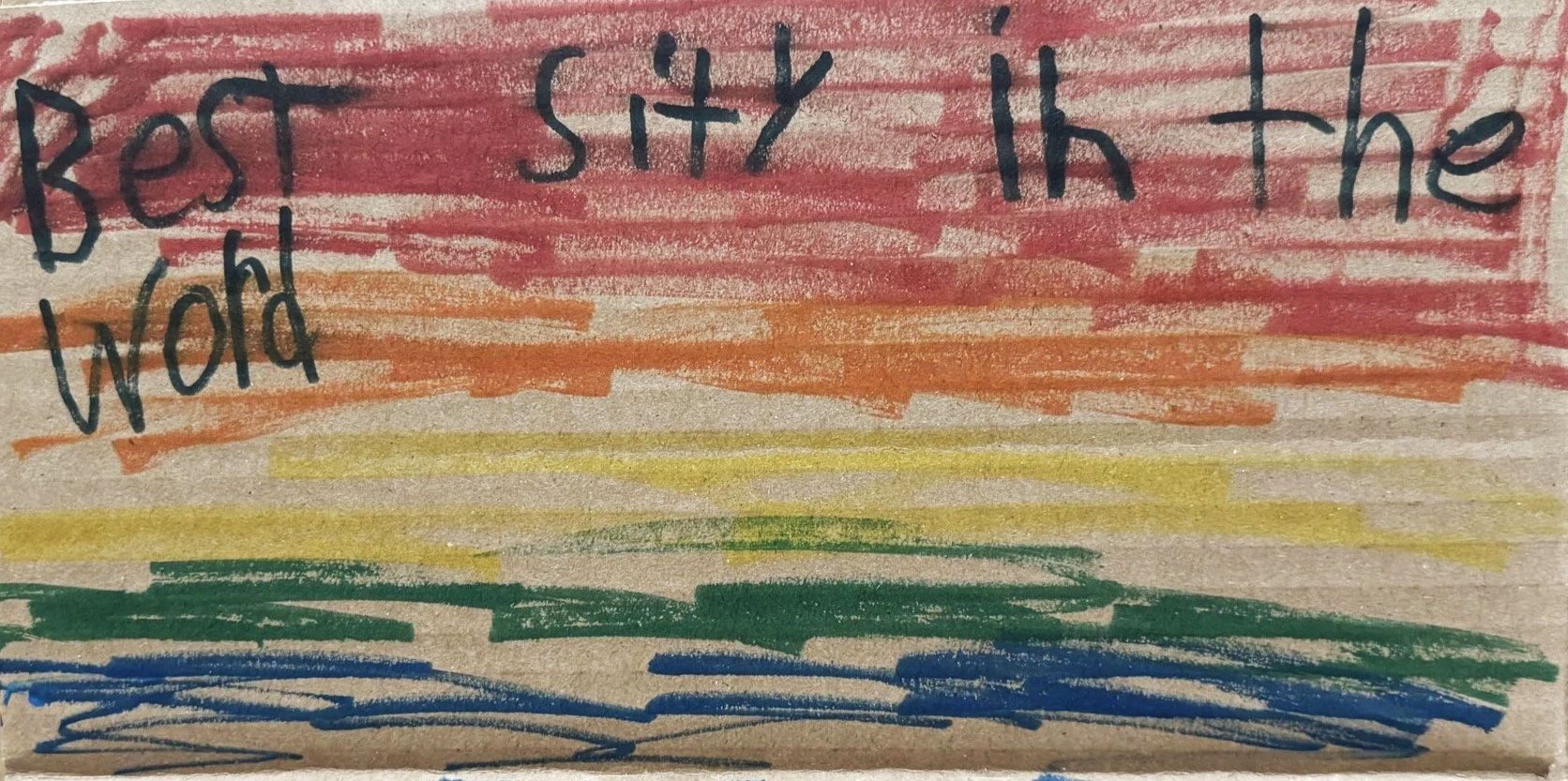
This sign was written by children building a cardboard city at the children’s Museum in Madison, Wisconsin.